Sports Equipment Storage
Service Overview
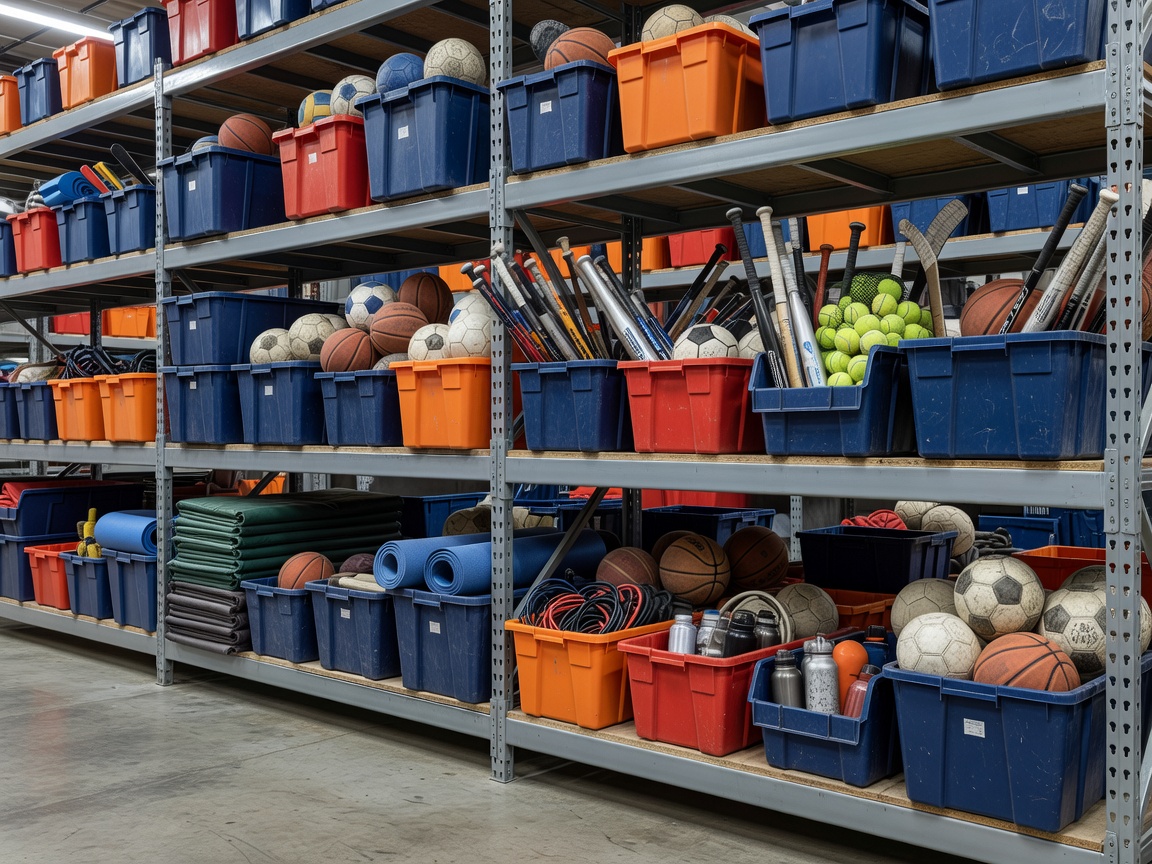
Efficient sports equipment storage requires distinct physical zones. Proper space planning reduces retrieval time. Categorized shelving isolates clean match gear from daily training equipment. Dedicated ball storage prevents floor hazards. Structural storage layouts protect expensive assets.
Space Allocation
Allocate volume based on seasonal rotation. Designate floor space for heavy items. Use vertical racks for light, bulky items. Keep transit paths clear.
Operational Considerations
Access routes dictate efficiency. Wide aisles allow rolling carts to enter and exit. Dead ends slow down distribution. High-traffic items require chest-height positioning. Low-traffic and seasonal equipment belongs on upper shelves. Bins and containers must feature clear outward-facing labels.
- Establish wide access routes.
- Place daily items at chest height.
- Store heavy equipment near the floor.
- Use modular bins for small items.
Equipment Considerations
Equipment categories dictate the storage method. Ball storage requires deep cages or specialized racks. Training equipment needs moisture-resistant bins. Uniforms require hanging space or flat-fold shelving. Condition awareness starts with visual inspection during the storage phase.
Storage Considerations
Airflow prevents mold on fabrics. Open wire shelving promotes air circulation. Solid shelving holds dense, heavy items without sagging. Storage labeling must correspond to inventory documents. Secure zones lock down high-value electronics and medical kits.
Workflow
Equipment enters the room. Staff inspects items for damage. Items move to designated zones. Bins receive labels. Inventory registers update. The room locks until checkout.
Common Problems
Poor space planning leads to blocked aisles. Mixed categories slow down retrieval. Unlabeled bins cause confusion. Inadequate airflow ruins textiles. Placing heavy items high causes safety hazards.
Advantages and Limitations
Structured storage speeds up access. It minimizes damage. It enforces discipline. Limitation: High-density storage requires strict adherence to return protocols. If users bypass the system, the layout fails.
Good For
Professional facilities. Multi-sport organizations. Training academies. Any club managing large volumes of diverse physical assets.
What to Know
Storage capacities depend entirely on the specific room dimensions and shelving configurations selected by the club. Storage environments require basic climate control to protect leather and electronics.